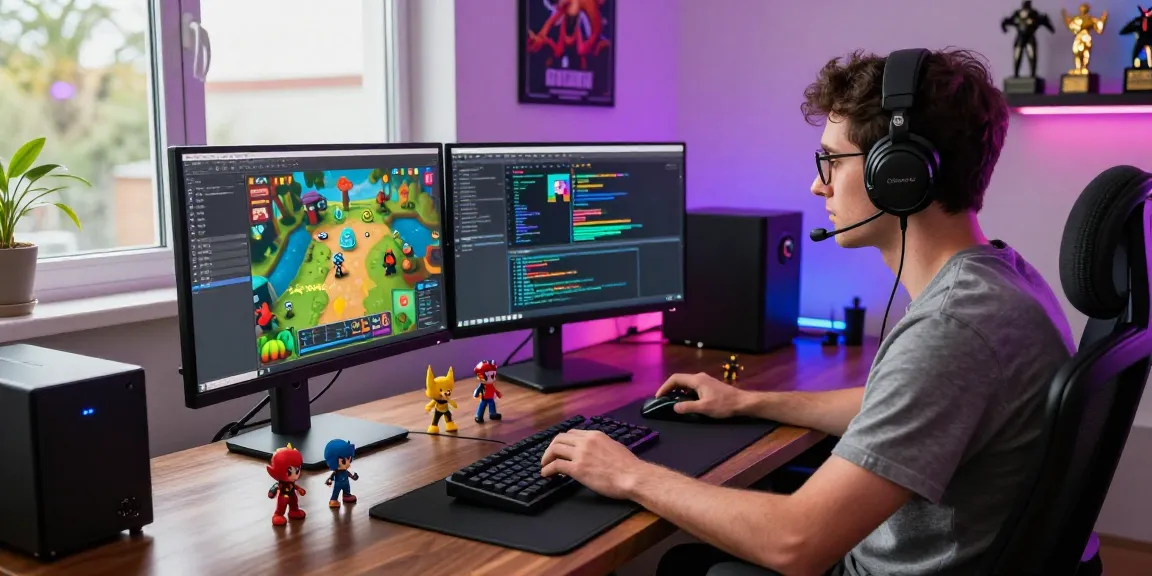
Understanding the Game Development Landscape
Game development has evolved into a multifaceted industry that combines creativity, technology, and strategy. With the rapid growth of gaming as a mainstream form of entertainment, understanding the game development landscape is crucial for aspiring developers and industry veterans alike. This article delves into the essential aspects of game development, examining emerging trends, necessary skills, and best practices to succeed in this competitive field. For in-depth information and resources, visit https://sc88.chat/.
What is Game Development and Its Importance?
Game development is the process of creating video games, encompassing a wide range of disciplines including game design, programming, art, and audio. The importance of game development cannot be overstated; it not only drives innovation in technology but also fosters community engagement and storytelling in unique ways. Games serve various purposes: they entertain, educate, and can even provide therapeutic benefits. As the gaming industry continues to expand, understanding the nuances of game development becomes essential for those looking to make a mark.
Trends in Game Development for 2026
As we look towards 2026, several trends are anticipated to shape the landscape of game development:
- Increased Use of AI: Artificial Intelligence (AI) will evolve, creating more responsive and intelligent NPCs, enhancing player experience.
- Cloud Gaming Growth: As internet speeds improve, cloud gaming will allow players to access high-quality games on various devices without the need for expensive hardware.
- Augmented and Virtual Reality: With advancements in AR and VR technology, immersive gaming experiences will become more refined and mainstream.
- Cross-Platform Play: The demand for cross-platform capabilities will grow, enabling players on different systems to play together seamlessly.
Challenges Faced by Aspiring Game Developers
Despite its appeal, aspiring game developers encounter numerous challenges, including:
- Technical Skills Gap: Many new developers struggle with the vast array of programming languages and tools available.
- Funding and Resources: Securing funding for indie projects can be difficult, often requiring developers to bootstrap their efforts.
- Market Competition: With thousands of games released annually, standing out in a saturated market is a significant hurdle.
Essential Skills Every Game Developer Should Master
Core Programming Languages for Game Development
Mastering key programming languages is essential for anyone looking to succeed in game development. The most widely used languages include:
- C++: Known for its performance and control, C++ is favored for developing game engines and AAA games.
- C#: Predominantly used with the Unity game engine, C# is a versatile language perfect for both beginner and experienced developers.
- JavaScript: Ideal for web-based games, JavaScript is essential for developing games that run in a browser environment.
Design Principles: Creating Engaging Gameplay
Effective game design is rooted in understanding what engages players. Key principles include:
- Balance: Ensuring that no aspect of the game overwhelms others, maintaining a level playing field for all users.
- Feedback: Providing players with clear feedback to enhance their gaming experience.
- Progression: Designing a rewarding system that keeps players motivated to continue playing.
Using Game Engines: Choosing the Right One
Choosing the right game engine is vital to streamline development. Popular options include:
- Unity: Known for its versatility and user-friendly interface, Unity is perfect for 2D and 3D game development.
- Unreal Engine: Offers stunning graphics capabilities, making it suitable for high-end game development.
- Godot: An open-source engine that is gaining traction for its lightweight nature and flexibility.
Best Practices in Game Development
Version Control and Collaboration Tools
Implementing version control systems like Git can dramatically improve collaboration among developers. It allows multiple people to work on a project without overwriting each other’s contributions and helps track changes over time.
Efficient Project Management Strategies
Effective project management is crucial in navigating the complexities of game development. Utilizing Agile methodologies can help teams remain flexible, adapt to changes quickly, and enhance productivity through iterative development.
Testing and Debugging Techniques
Testing is integral to ensuring a game functions as intended. Implementing automated testing frameworks can save time, while regular playtesting can provide invaluable user feedback. Debugging tools must also be utilized to identify and resolve issues throughout the development process.
Real-World Applications and Case Studies
Successful Indie Games and Their Development Stories
Indie games have become a significant force in the industry, often telling unique stories. Titles like “Celeste” and “Hollow Knight” demonstrate how creativity and innovation can lead to success without the backing of large studios.
How Large Studios Approach Game Development
Large studios typically adopt a more structured methodology, employing vast teams and resources. For instance, companies like Electronic Arts and Activision Blizzard have established frameworks that facilitate collaboration across various departments, ensuring a polished final product.
Lessons Learned from Failed Projects
Studying failed projects can provide valuable insights into potential pitfalls. An infamous example is “No Man’s Sky,” which faced backlash for failing to meet player expectations, highlighting the importance of transparency in development.
The Future of Game Development: Predictions and Innovations
Emerging Technologies in Game Development
As technology advances, game development will continue to evolve. Innovations like blockchain for digital ownership and the metaverse for interconnected gaming experiences are expected to shape future projects.
The Role of Community and Feedback
Community engagement is critical for success in today's gaming landscape. Developers should leverage platforms for player feedback and utilize that information to make improvements and foster loyalty.
Preparing for the Future: Continuing Education in Game Development
Continuing education is essential for developers to stay updated with trends. Online resources, workshops, and gaming conferences provide opportunities for skill enhancement and networking, ensuring that developers remain competitive in a rapidly changing industry.
What skills do I need to start game development?
To begin a career in game development, foundational skills in programming, an understanding of game design principles, and an ability to work with game engines are crucial. Passion and continuous learning also play a significant role in long-term success.
What are the best programming languages for game development?
The best programming languages for game development primarily include C++, C#, and JavaScript, each serving different niches within the industry, from AAA titles to mobile and web-based games.
How do I choose the right game engine?
Choosing the right game engine depends on factors such as the target platform, the complexity of the game, and your own proficiency with available tools. Evaluating options based on these criteria can lead to more efficient development.
What are the common pitfalls in game development?
Common pitfalls include inadequate planning, neglecting user feedback, and overcomplicating gameplay mechanics. Developers should aim to stay focused on core mechanics and maintain clear communication throughout the development process.
How can I stay current with gaming trends for 2026?
Staying current requires regular engagement with gaming news, participating in online communities, and following industry leaders on social media. For more information, sc88.chat offers valuable insights. Continuous learning through courses and gaming expos also helps developers remain ahead of emerging trends.